Professional Tips for Picking the Right Home Security for Your Needs
With regards to home security, you should make informed choices suited to your requirements. Commence by examining your property and going over issues with your family. Reflect on what features hold the greatest value, from alarms to smart tech. But how do you determine the right balance between protection and budget? There are essential factors to consider in detail that can help you pinpoint your options successfully.
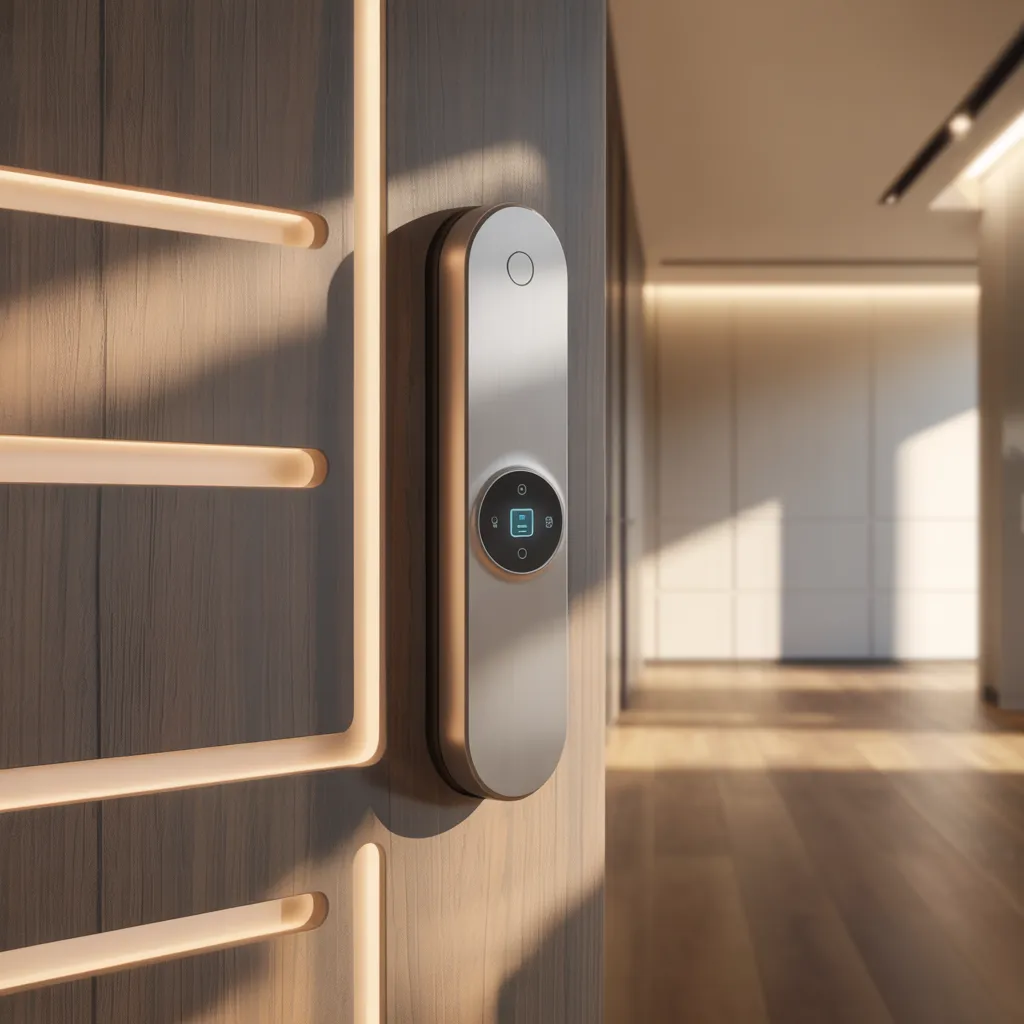
Find the Leading Types of Home Security Systems
When it comes to protecting your home, learning about the best types of security systems available can make all the difference. You'll discover a variety of options designed to fit your needs. Alarm systems function as a first line of defense, notifying you and authorities to unauthorized access. Surveillance cameras deliver real-time monitoring, letting you keep an eye on your property from anywhere. Smart home systems combine security features with your home automation, providing convenience and control. Additionally, motion detectors can inform you to any movement in sensitive areas. Selecting a combination of these systems can strengthen your overall security. Investigate each option and consider how they complement each other to create a comprehensive security network for your home.
Grasping Your Protection Necessities
How do you determine what security measures your home actually needs? Begin by evaluating your property. Identify vulnerable areas, for example entry points or windows, and think about the neighborhood's safety level. Reflect on your lifestyle—do you travel Business Security Camera Systems often or work late hours? This can determine your security requirements.
Next, assess what you value most. Is it theft prevention, crisis detection, or both? Develop a list of important features, such as cameras, alarms, or smart home integration.
Make sure to involve your family in the conversation. Their feedback can uncover specific concerns you might overlook. In the end, understanding your unique security needs will enable you to select a system that gives peace of mind and fits seamlessly into your daily life.
How Much Can You Budget for Home Security?
After evaluating your security needs, the next step is to evaluate your budget for home security. Establish how much you're ready to spend on equipment, installation, and ongoing monitoring fees. It's vital to strike a balance between sufficient protection and affordability. Look at the multiple options available, from basic systems to advanced setups, and consider your long-term financial commitment. Don't forget to factor in potential discounts for packaging services or long-term contracts. Remember, investing in a quality security system can reduce costs in the long run by preventing theft and damage. Determine your needs, set a realistic budget, and choose a system that offers the best value for your peace of mind.
Why Smart Technology Is Essential for Home Security
As you consider your home security options, embracing smart technology can greatly enhance your protection. Smart security systems provide real-time alerts, enabling you to monitor your home from anywhere through your smartphone. You'll enjoy features like remote access to cameras and automated locks, which provide peace of mind when you're away.
Furthermore, smart sensors can spot unusual activity and send notifications instantly, allowing you take action quickly to potential threats. Integration with other smart devices—like lights and alarms—creates an complete security network that prevents intruders.
Professional vs. Self-Monitoring Options for Residential Security
When selecting between professional and self-monitoring options for home security, it's vital to consider the merits of each approach. Professional monitoring delivers continuous surveillance by trained personnel, delivering immediate response to emergencies. This can give you peace of mind, especially if you are frequently away or have a busy lifestyle. On the other hand, self-monitoring permits you to take charge of your security. You can personalize alerts and oversee your system through an app, which can be more affordable. However, it necessitates your attention and quick action in case of an alert. Assess your daily routine, budget, and comfort level with technology to determine which option matches your lifestyle best.
Comparing Ratings of Security Firms
While comparing security providers, it's important to focus on essential features that matter most to you. Review carefully pricing and packages to find the best fit for your budget. Finally, examining reliability and performance can help guarantee you choose a provider that truly protects your home.
Essential Features Comparison
While selecting a home security provider, it's important to compare key features that can substantially impact your safety and peace of mind. Start by evaluating the types of equipment available, such as cameras, alarms, and motion sensors. Consider smart home integration, allowing you to control your system via mobile apps. Response times are vital too—check how promptly the provider responds to alarms. Moreover, assess monitoring options; 24/7 professional monitoring offers an extra layer of security. Be sure to take into account warranties and customer support—reliable service can make a notable difference in your experience. Ultimately, read customer reviews to gauge satisfaction levels with these features, confirming you choose a provider that meets your individual needs and expectations.
Pricing Options and Packages
Pricing and packages can vary greatly among home security providers, so it's important to do your homework. Start by comparing monthly fees, installation costs, and any equipment charges. Some providers offer a basic package, while others may have tiered options that include premium capabilities like smart home integration or video surveillance. Look for any hidden fees, such as termination or maintenance costs, that could affect your overall costs. Reading customer reviews can deliver you understanding into whether the pricing reflects the quality of service. Don't forget to factor in contract lengths, as some companies require more prolonged contracts than others. Finding the right balance between price and features confirms you get the best value for your home security needs.
Trustworthiness and Performance
Selecting a home security provider isn't merely about cost; dependability and functionality are crucial elements that can greatly impact your peace of mind. Start by examining user reviews and expert ratings to gauge how well various providers perform in real-world scenarios. Search for consistent feedback regarding response times, system uptime, and customer service interactions. You'll need a provider known for trustworthiness, especially during emergencies. Moreover, consider how their technology integrates with your lifestyle—smart features can improve performance but only if they work seamlessly. Don't hold back to ask current customers about their experiences; firsthand accounts can expose strengths and weaknesses you won't find in promotional materials. Ultimately, a reliable security system is valuable for the investment for your safety.
Customization Options for Your Security System
How do you ensure your security system satisfies your particular requirements? Customization options are vital. Start by evaluating what areas of your home demand protection. Do you need indoor cameras, outdoor motion sensors, or both? Next, consider smart home integrations. Many systems enable you to connect lights, locks, and thermostats for enhanced security and convenience.
You'll need to choose the right monitoring plan. Some systems offer 24/7 professional monitoring, while others let you monitor through a smartphone app. Additionally, consider adding features like video doorbells or home automation controls. Customizing your system makes certain it fits your lifestyle and improves your peace of mind. By customizing these elements, you create a security solution that's truly effective for you.
FAQ
What's the Average Installation Duration for Home Security Systems?
Home security system installation usually takes anywhere from one to four hours, based on system complexity. You'll want to include the equipment setup process, wire installation, and whatever extra features you need, so schedule sufficient time for installation.
Are Security Products Covered by Warranties or Guarantees?
Yes, most security products come with warranties or guarantees. They typically cover equipment issues, ensuring your investment's protected. Always examine the details before acquiring, as terms can vary considerably among various brands and models.
Is It Possible to Integrate My Security System With Other Smart Devices?
It's possible to integrate your security system with other smart devices. Today's systems allow you to connect with smart cameras, lights, and thermostats, seamlessly increasing your home's security and convenience.
What Happens During a Power Outage With My Security System?
Throughout a power outage, your security system will transition to battery backup, ensuring it remains operational. Nevertheless, if the outage extends for an extended period, the battery can drain, likely compromising your system's effectiveness until power is restored.
Do Any Hidden Costs Come With Security Services?
There can be hidden fees associated with security services. You might encounter setup fees, ongoing monitoring charges, and fees for upgrading equipment. Always read the contract carefully to dodge unanticipated fees.